Menu
 Sustainable design furniture
Competitive wholesale pricing
Reliable worldwide shipping
Sustainable design furniture
Competitive wholesale pricing
Reliable worldwide shipping
There’s a straightforward, natural beauty to unfinished solid pine furniture that brings natural warmth and timeless beauty to any home. Whether you’ve invested in a sturdy pine bench, a spacious chest, modular shelves, or a wooden bed, proper care will ensure your furniture maintains its charm and durability for generations.
Pine is a softwood known for its attractive grain patterns, warm honey tones, and natural character. Although it is more vulnerable to scratches than hardwoods, this characteristic also gives each piece its unique personality. With proper maintenance, your solid pine furniture will age beautifully, developing a rich patina over time. Understanding its behavior and natural qualities makes caring for pine simple and intuitive. This comprehensive guide will help you protect and preserve your solid pine pieces.
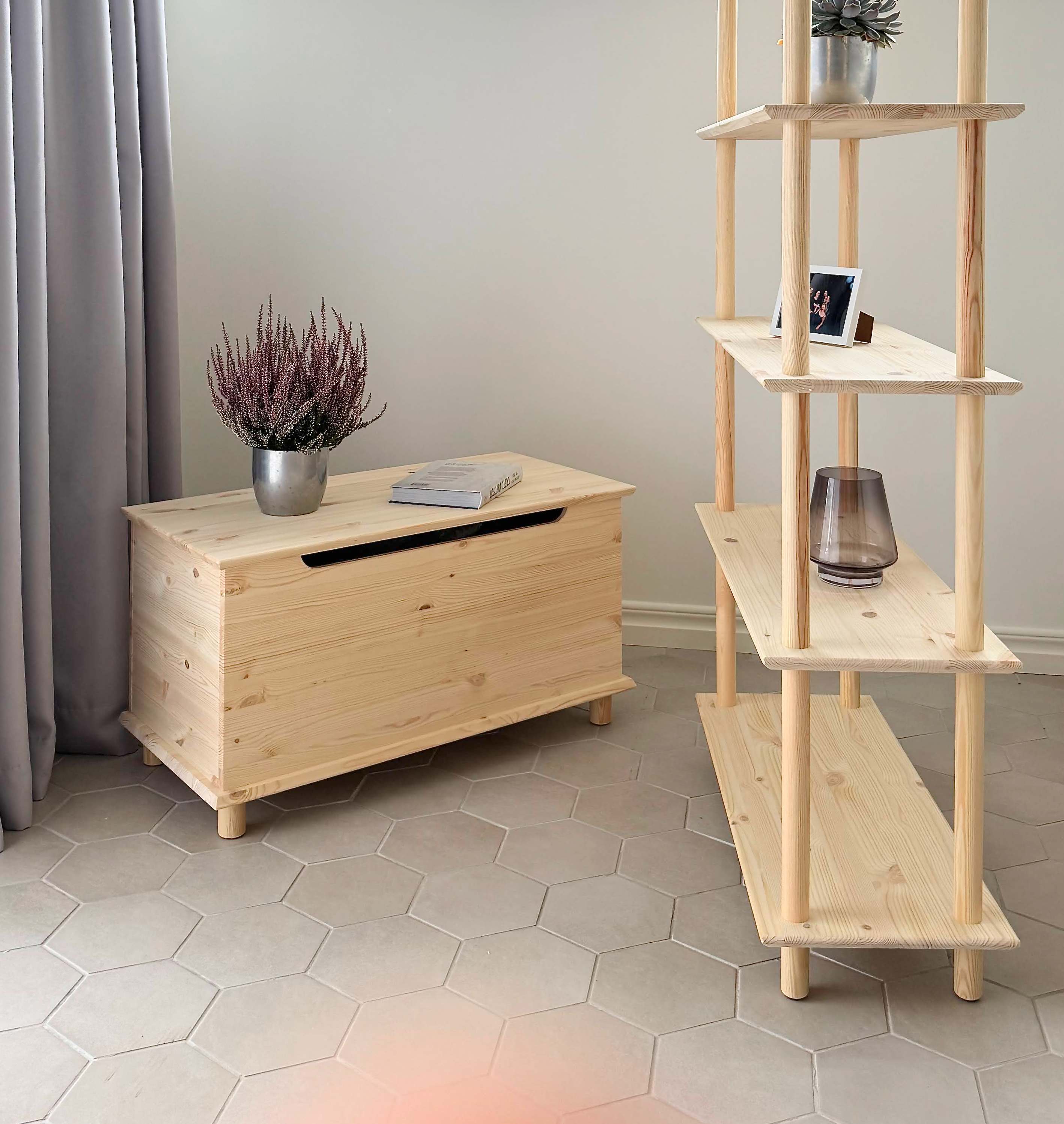
For unfinished or lightly finished pine furniture, we recommend:
Unfinished wood has no protective lacquer, so the golden rule is: be gentle. Whether you’re cleaning shelves or solid pine bed frames, your approach should be soft and minimal.
Regular dusting is essential for maintaining your pine furniture. Use a soft cloth or microfiber duster to gently remove dust from surfaces. For shelves and intricate details on a chest or bed frame, pay special attention to corners where dust accumulates.
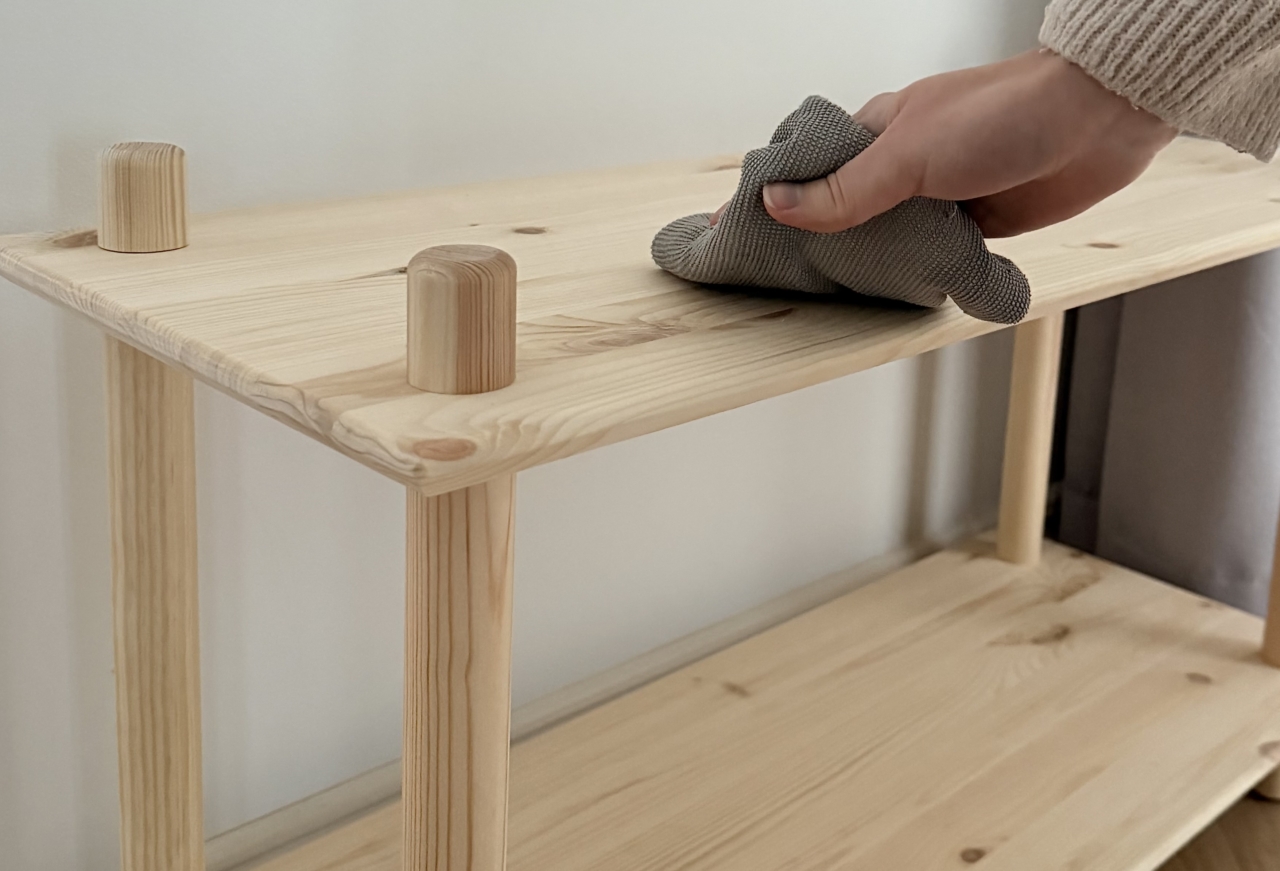
Address spills immediately by blotting with a clean, slightly damp absorbent cloth. This helps lift the liquid from the surface before it has time to soak into the wood. Remove as much of the spill as possible, then gently wipe the area again with a cloth lightly moistened with clean water to freshen the surface and lift any remaining residue or colour. Allow the wood to dry completely afterward. Never allow liquids to sit on solid pine surfaces, as moisture can penetrate the wood and cause staining or warping—this is especially important for unfinished pine furniture, which absorbs liquids more readily than treated pieces.
Never use ammonia-based cleaners, bleach, or abrasive products on your pine furniture. These can damage the wood fibres.
Pine expands and contracts in response to humidity changes. Maintain indoor humidity levels between 40% and 60%. Keep your solid pine furniture away from direct sunlight, heating vents and air conditioning units.
Although pine is soft and marks easily, you can minimise damage by lifting objects rather than dragging them. Protect pine shelves using shelf liners.
Solid pine is a living material that continues to evolve in your home. Fresh pine furniture arrives with a pale, yellowish tone. Over time, exposure to natural light causes the wood to develop a warmer, reddish hue and gradually darken, creating a rich patina that many consider one of pine’s most beautiful qualities. If you’re adding new pieces to complement existing solid pine furniture, be aware that the fresh, lighter wood may contrast noticeably with older, mellowed pieces. This can be particularly visible when placing new shelves directly beside seasoned ones. However, the tones will naturally harmonise over time as the new piece undergoes its own aging journey. Rather than viewing this as a drawback, embrace it as part of pine’s authentic character—each piece tells the story of its time in your home through its developing warmth and depth of colour.
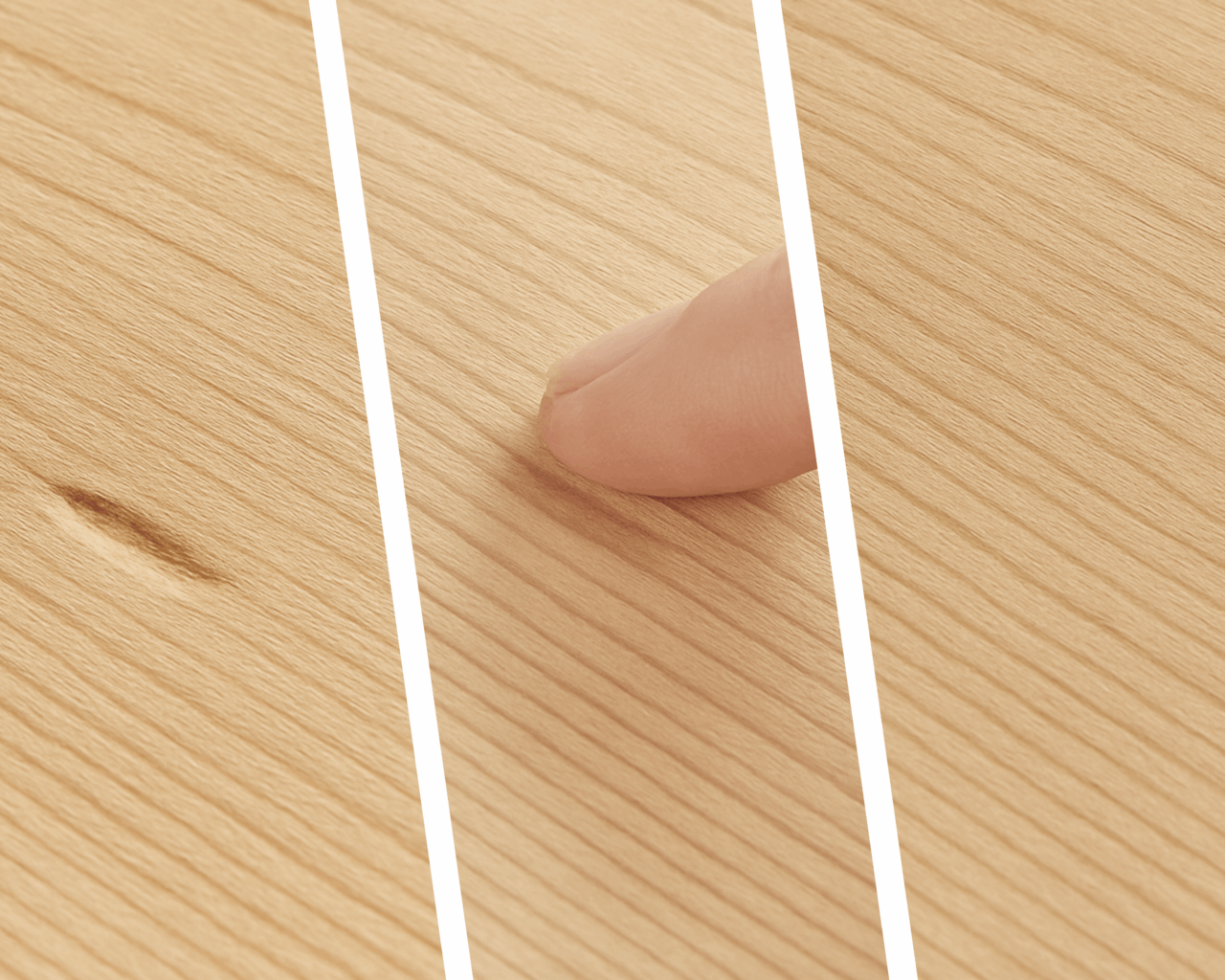
Small dents in solid pine furniture can often be improved by adding a small amount of moisture. When something like a remote control drops onto the surface, the wood fibres become compressed rather than broken. Moisture helps those fibres swell and return closer to their original shape.
To lift a dent naturally:
This method works only on raw, unfinished pine, where the wood can freely absorb moisture. Finished or sealed surfaces will not respond in the same way.
While minor scratches and dents are part of pine’s natural charm, sometimes solid pine furniture may sustain more significant damage—such as a small section of wood chipping out or a knot becoming dislodged. Fortunately, these issues can be effectively repaired using wood filler.
Selecting the right product: Visit a well-stocked building materials or hardware store and ask for wood filler suitable for pine furniture. Choose a colour that matches your wood—for solid pine pieces, select either a pine tone or a pine knot tone depending on the location and appearance of the damage.
The repair process:
Voilà—your solid pine furniture is restored and ready to continue serving your home beautifully.

We craft our solid pine furniture in its natural, unfinished state to highlight the beauty of raw wood. Your bench, chest, shelf or bed will arrive ready to use without any additional treatment. Their minimalist aesthetic fits effortlessly into any interior.
However, if you prefer a slightly different look or want additional protection, applying natural oils or waxes can offer real benefits. If you’re a do-it-yourself enthusiast, you can even paint or stain your solid pine furniture if desired. Ask your local paint or finishing materials supplier for suitable products and application recommendations for pine wood.
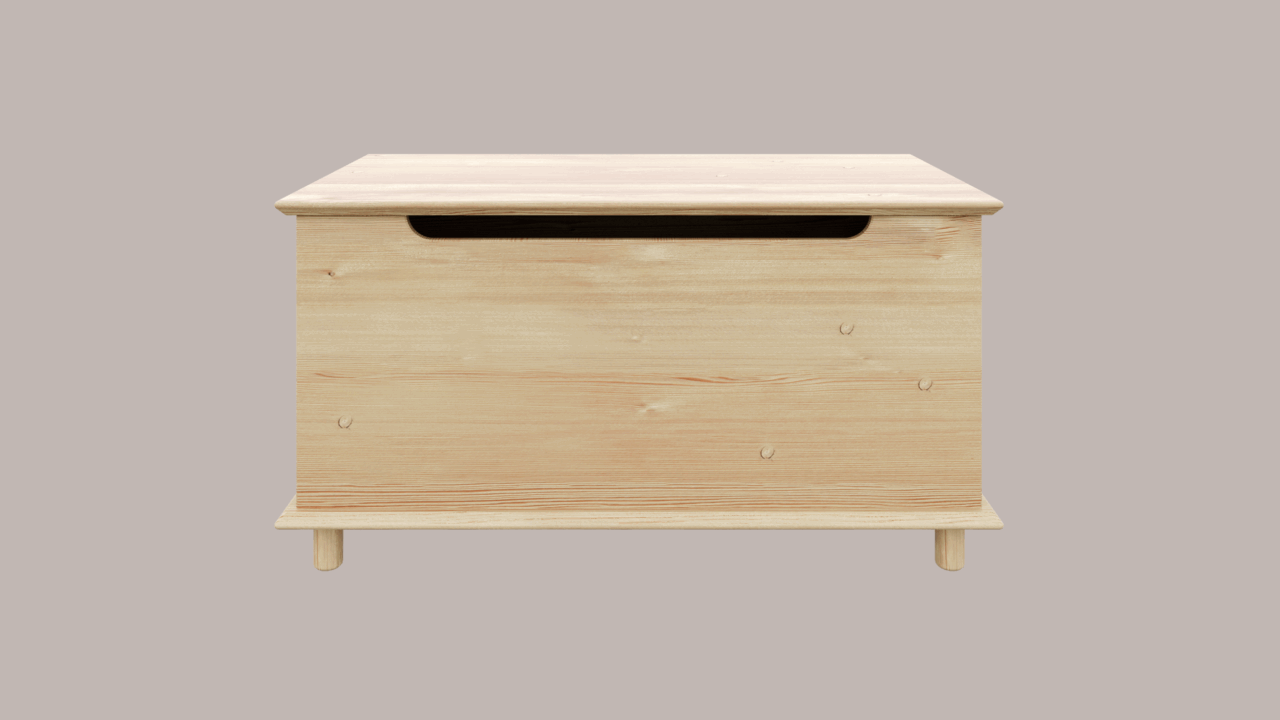
Solid pine furniture is a investment in quality, sustainability and natural beauty. Whether it’s a practical pine bench, a functional chest, modular shelves or a solid wood bed, regular maintenance will ensure your furniture serves your family for decades. Pine’s warm character improves with age, developing a patina that tells the story of your home.
By following these care guidelines, your solid pine furniture will remain a cherished part of your living space, combining timeless aesthetics with everyday functionality. Minor imperfections add character — embrace them as part of your furniture’s unique journey.
With mindful care and a stable environment, ROHE’s FSC®-certified pine furniture will last for decades and develop a beautiful patina.
Give your home the touch of nature. Explore ROHE’s pine furniture and enjoy its warmth and character every day.