Menu
 Sustainable design furniture
Competitive wholesale pricing
Reliable worldwide shipping
Sustainable design furniture
Competitive wholesale pricing
Reliable worldwide shipping
Buying furniture can feel overwhelming—until you focus on the few decisions that matter most. This guide breaks down how to choose furniture in a practical way: start with function, confirm the fit and movement, choose materials that suit your daily life, keep the scale balanced, and finish with a simple quality checklist.
Design sets the tone, but function shapes everyday life. Before you choose a look, be clear about what the piece needs to do for you.
Bed: How wide does it need to be for your sleep to feel genuinely comfortable? As a practical guide, 90×200 cm is a solid choice for one adult who sleeps fairly still. If you want more space to turn, read, or simply stretch out, 140×200 cm can be a wonderfully generous single bed. For two people, 160×200 cm often works well, while 180×200 cm is the most comfortable option if you both value extra personal space.
Storage: Do you need hidden storage close by? A solid pine chest can hold blankets and pillows while also working as a table or a bench—practical and visually clean.
Everyday essentials: A wall shelf keeps your most-used items close and easy to reach, without taking up any floor space—things like a phone, a book, keys, or a small lamp.
Flexible living: A modular shelf can move with you from room to room—and expand as your needs change.
Multi-use moments: Notice where you naturally need an extra surface—setting down a bag in the hallway, folding laundry, stacking books, or keeping bedside essentials close. The best furniture supports these routines quietly, without adding clutter.
When function is clear, choosing furniture becomes much simpler.
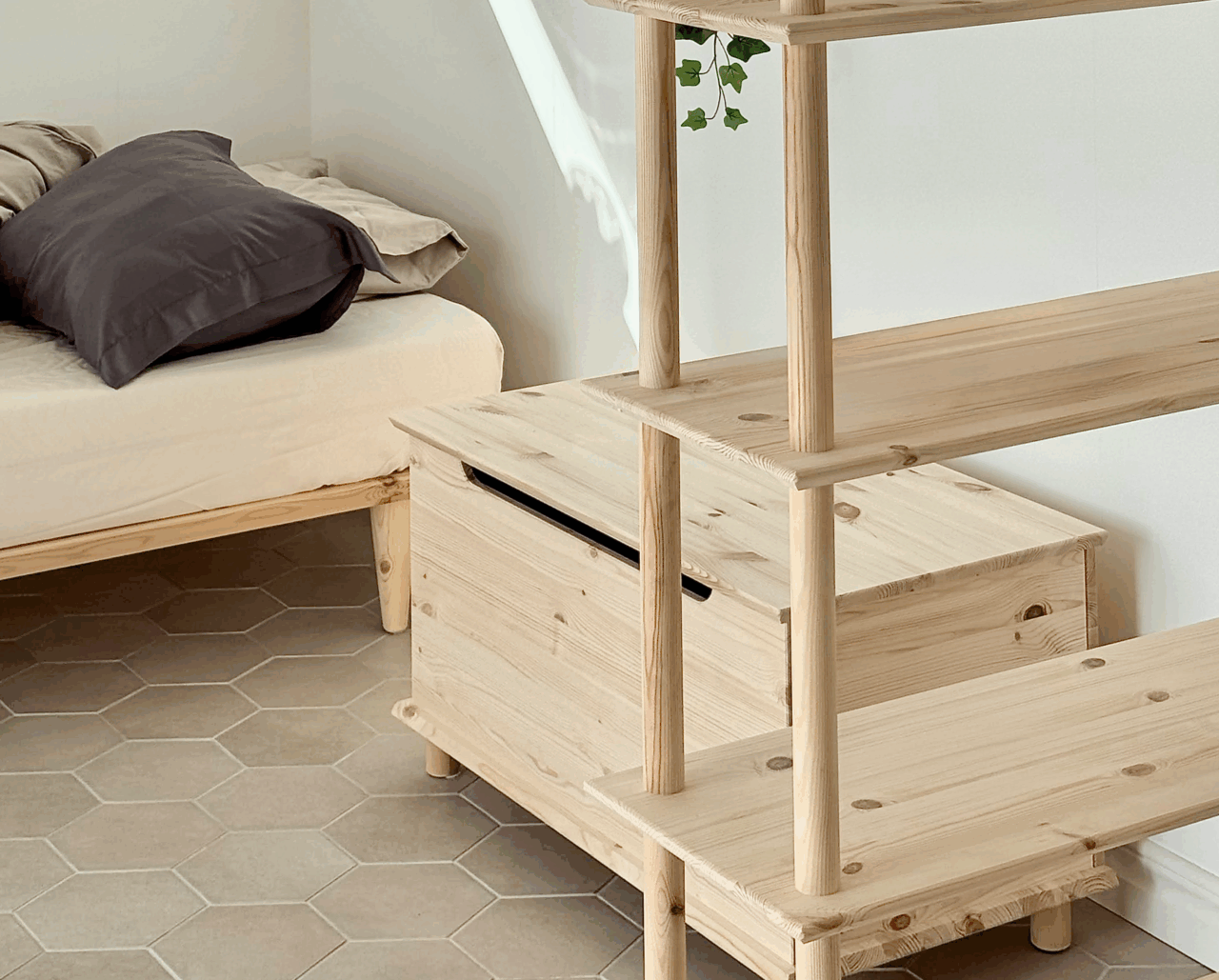
A room works best when movement feels natural and easy. Before you buy, make a quick plan for clear walkways, opening space, and scale.
Start with movement. Identify the main walking route you use every day and keep that path clear — for example, from the door to the bed. Aim for 60–80 cm of clear walkway in tighter homes, and 80–100 cm where you can. A simple test is whether you can pass comfortably with a laundry basket.
Next, check opening space. Make sure drawers can open fully, doors can swing, and chairs can be pulled out without hitting anything. As a practical rule, leave at least 60 cm in front of drawers or doors you use daily.
Finally, test the footprint in the real room. Use painter’s tape or paper to mark the exact size of the piece on the floor. Walk around it, sit down, and use the space the way you normally would.
Keep proportions balanced. If a piece visually fills more than about one-third of a wall, it may start to feel heavy unless it is meant to be the room’s anchor, like a bed. In smaller rooms, fewer clear pieces usually work better than many smaller ones.
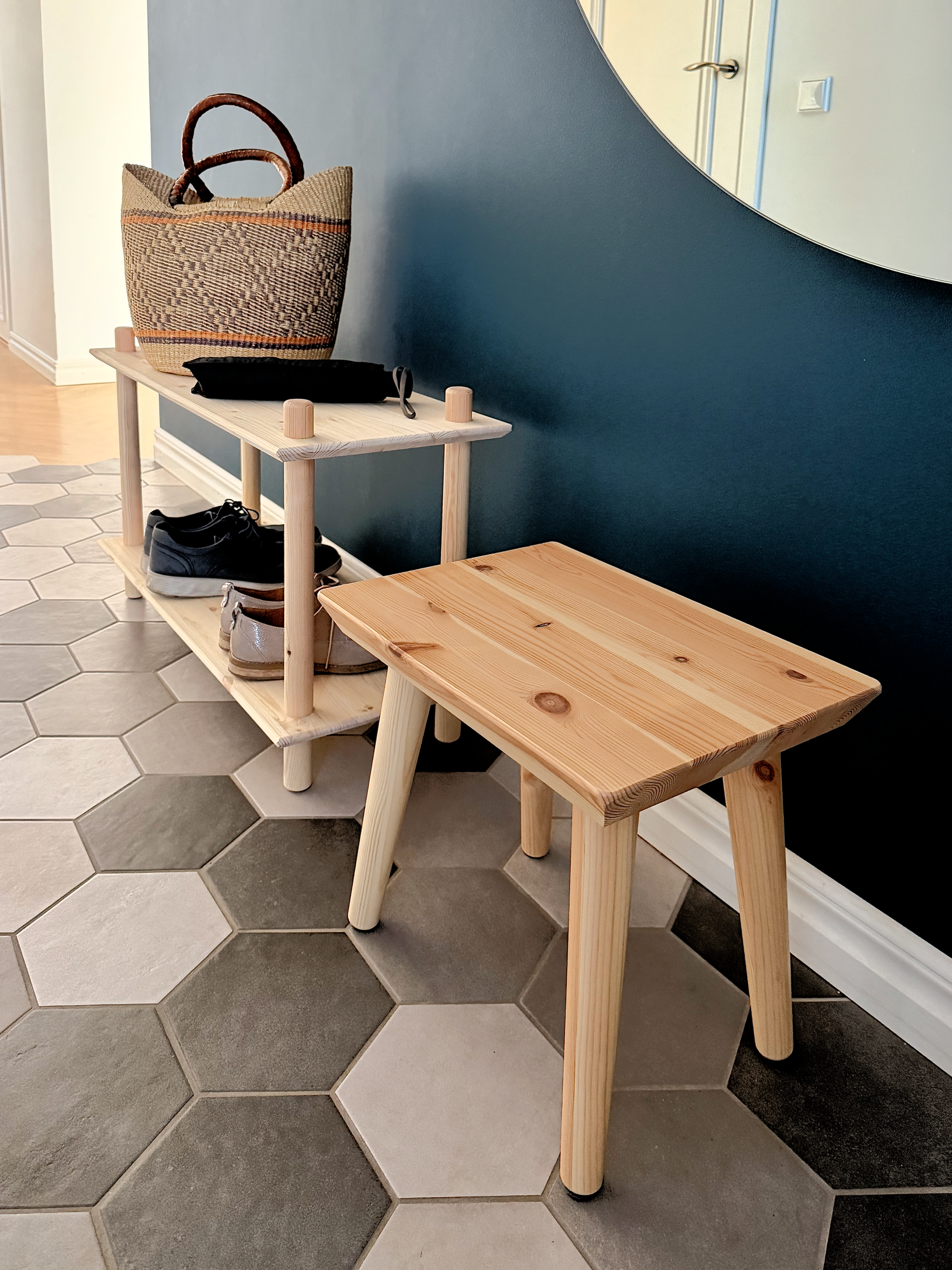
Material is one of the most important steps in choosing furniture. People often search for the “best furniture material,” but the right answer depends on what you value: warmth, durability, ease of care, weight, and the feeling you want in your home.
Solid pine is loved for its warmth and natural grain. It feels inviting to the touch, has a beautiful natural structure, and develops character over time. Unfinished pine stays close to what it is—visible grain, gentle variation, and a surface that can age naturally.
Other materials can be a good fit too, depending on the purpose. Oak or ash are hardwoods with a bold, distinctive grain and a slightly heavier, more formal feel. Birch or beech often have a more even, minimal look, with little visible pattern—an easy match for clean, simple shapes. Metal can create a slim, light footprint in legs or frames. Glass or stone can feel crisp and elegant for table tops or shelves. Upholstery adds softness and comfort, especially in living areas, and pairs naturally with light wood.
A simple way to decide: choose materials that match your daily life—warm and natural, crisp and structured, soft and cosy—and let the material support the atmosphere you want.
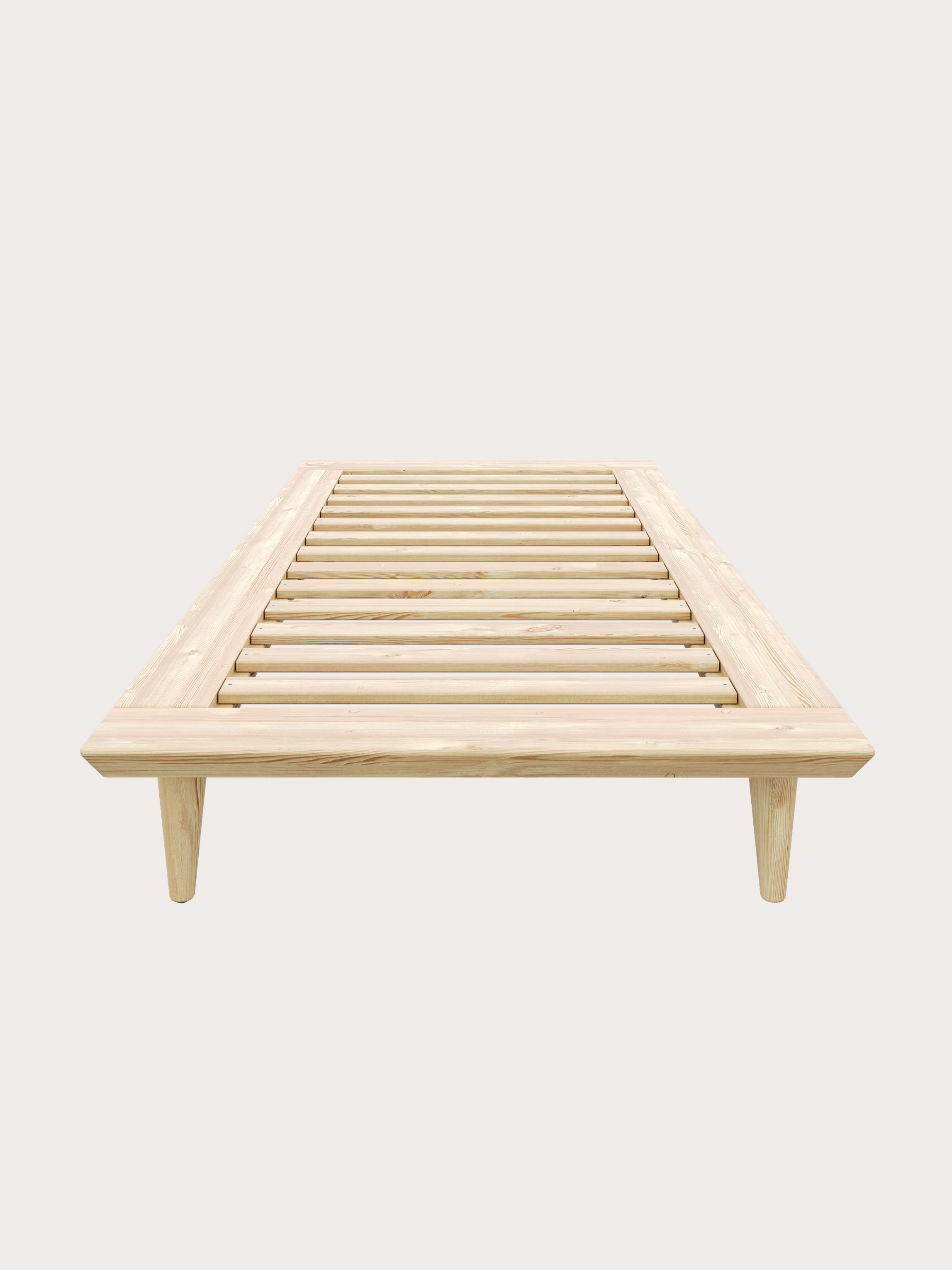
ROHE Air Collection Solid Wood Pine bed
To keep a home breathable, start with one clear anchor, such as a bed, a chest, or a shelf and keep the rest quiet and functional. Use vertical storage to gain capacity without taking up more floor space. Use wall-mounted solutions where possible, for example, a wall shelf can replace a bulky bedside table.
This is where an airy, open shelving system can make a real difference. A clean structure holds what you need without weighing the room down, so storage stays practical while the room stays airy and spacious. In Scandinavian interiors, this approach creates a calm rhythm: fewer pieces, clean lines, and enough open space around the furniture so the room feels welcoming and easy to live in.
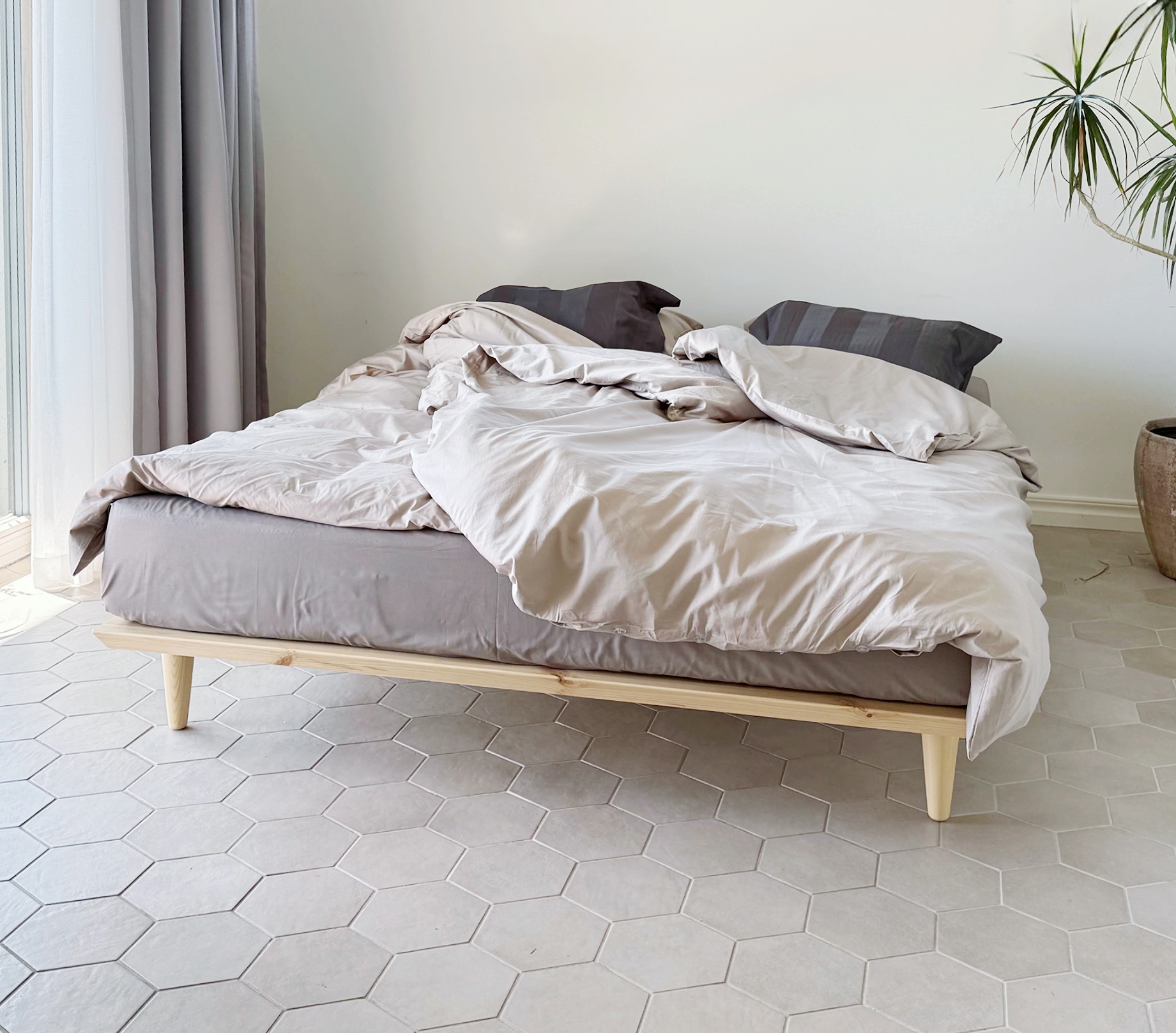
Quality isn’t a luxury detail—it’s what makes furniture feel stable and reliable in everyday life.
Stability: Does the piece feel solid when you touch it? A well-made bed frame should feel steady in everyday use, without noticeable movement. For shelves and chests, look for a piece that sits firmly and evenly without rocking. Keep in mind that stability also depends on your floor being level.
Joinery and connections: Look for clean, well-fitted joints and sensible construction. Well-made furniture often feels “thought through” in the places you don’t immediately notice.
Hardware: Drawers should glide easily, doors should close cleanly, and handles should feel secure in the hand.
Weight and balance: Quality furniture often has a grounded, balanced feel. It shouldn’t feel insubstantial when lifted, moved, or used.
Materials that match the promise: Solid wood is often a strong choice when you want durability and long-term value. It tends to stay stable, age naturally, and remain repair-friendly. With solid pine, look for grain and natural variation—the kind of material character that stays beautiful in everyday life.
If you follow these steps, you’ll choose fewer pieces—and better ones. The result is a home that feels easier to live in: functional, balanced, and quietly supportive day after day.